

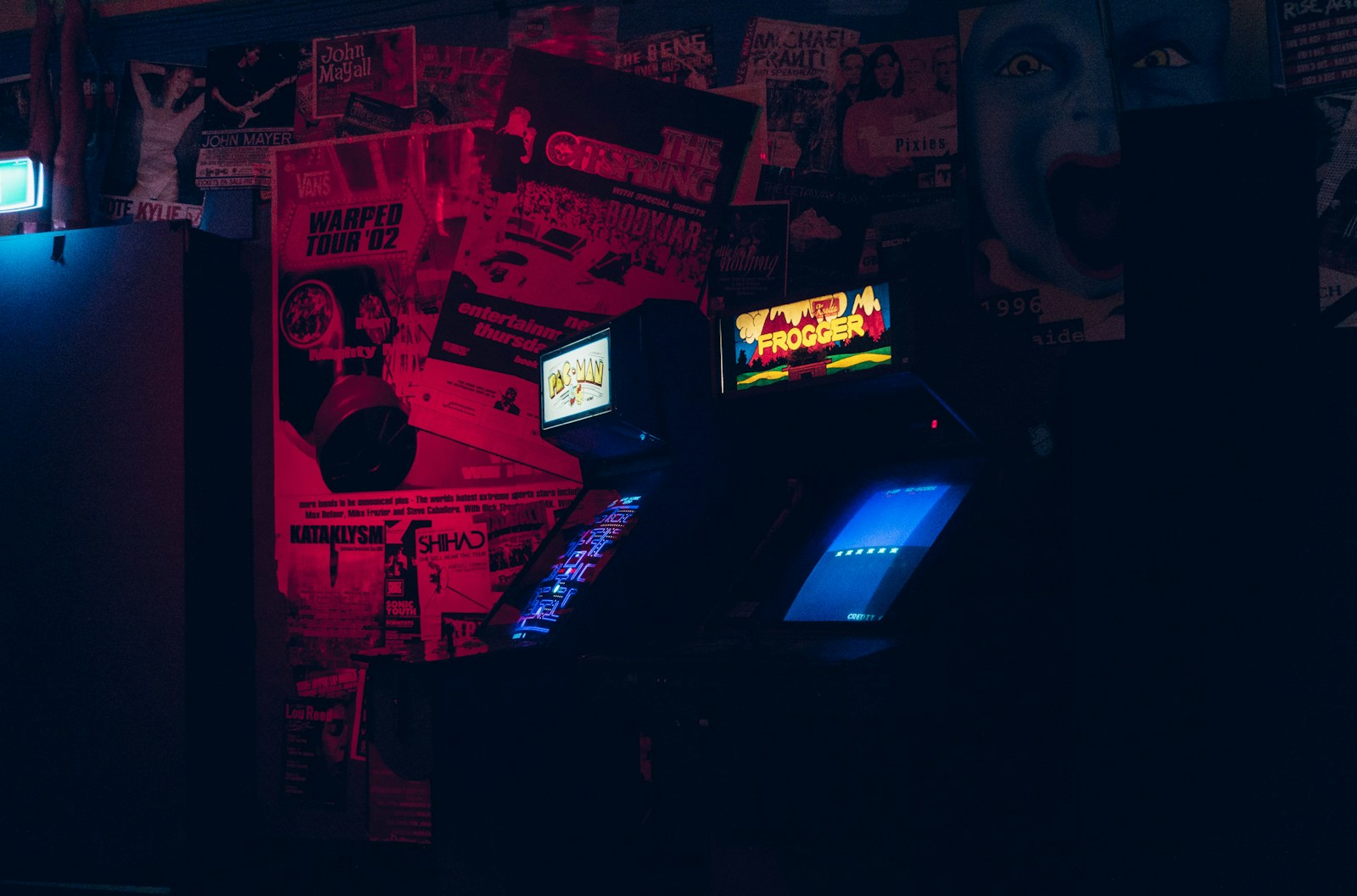
There is a deafening noise in the bars of my town, and it does not come from the television or from dishes clattering as they are washed. It does not even come from the conversations of the customers, who are fewer and fewer.
It comes from the silence of those sitting behind the partition, hypnotized for hours by a curved screen where colorful figures scroll endlessly.
This is not an exceptional scene. In Sardinia, around 45,000 people are affected by gambling addiction, and the island is among the Italian regions where gambling is most widespread1.
I had always seen them, but I had never really noticed them.
When I returned to the island as an adult, I looked at them with different eyes and could not help doing my job and asking myself why.
Why here? Why so many? What is it that makes this place so fertile ground for gambling?
I am thirty years old and grew up in a small provincial town, accompanied by the constant background of stories told by my parents and my uncles and aunts, who described their youth as an incomparable era: the 1970s, 80s and 90s, those were real times.
The town was overflowing with young people, there was money and there were dreams, there was joy, there was a trust in the future that today almost feels indecent to even mention.
We could never have reached that level. I myself, growing up listening to those stories, felt for a long time more sluggish, more bored, less equal to that youthful energy my parents had experienced and that I would never have.
It was believed that everything would remain that way, perfect and stable, without realizing that it was an exception. A wonderful exception in history.
After all, nothing before had ever been like that. The parents of our parents came from a completely different world. A truly harsh world, where people literally fought for a piece of bread, a world in which barter still existed: a piece of cheese in exchange for a bit of flour.
My grandparents did not believe in the fun and euphoria of their children, but at the same time they wanted to spare them the life of sacrifices they themselves had known. In trying to protect them from that harshness, however, they failed to pass on the inner strength and solid character that had grown precisely out of that hardship.
In those years, not all lives counted in the same way. Some children stayed and lived a “normal” life, while others were sent away to study, because there was money, because it was possible, and because through their children families sought redemption from a life of work and poverty. Those children became symbols, and enormous burdens were placed upon them: the hope of making it, but also the silent need to stand out, to rise one step above the others. In those years, this seemed possible, perhaps for the only time.
History, however, did not stop. That season slowly came to an end, and what followed did not arrive in the same way for everyone. Work no longer offered security, towns began to empty, days began to resemble one another.
Some were left angry and confused. Others searched in gambling and alcohol for what should have come from the future: the thrill, the anticipation, the feeling that something was about to happen. When the future came to a halt, many sought that adrenaline in slot machines.
As I sip my coffee at the bar, I look at the empty eyes of those who, in front of that screen, gamble away their lives day after day. Outside, life goes on without them, and the noise of the slot machines drowns out everything else.